
Every conversation, summed up in a line
Every conversation your chatbot has is saved, and each one comes with a summary written for you.
The list shows a title taken from what the conversation was about, when it happened and how many messages it ran to. Unread ones are marked. Open any of them and you get three sentences telling you what the person wanted and what the agent said, plus the full transcript underneath if you want it.
You can search across all of them.
You see the page they came from
Each conversation records the page it started on.
That turns your chat history into a list of things your website does not explain well. If eight people asked about delivery from the same product page, the page is missing a line about delivery. Fix the page and the questions stop.
It is the sort of thing you would normally pay for a usability study to find out.
Leads with the context attached
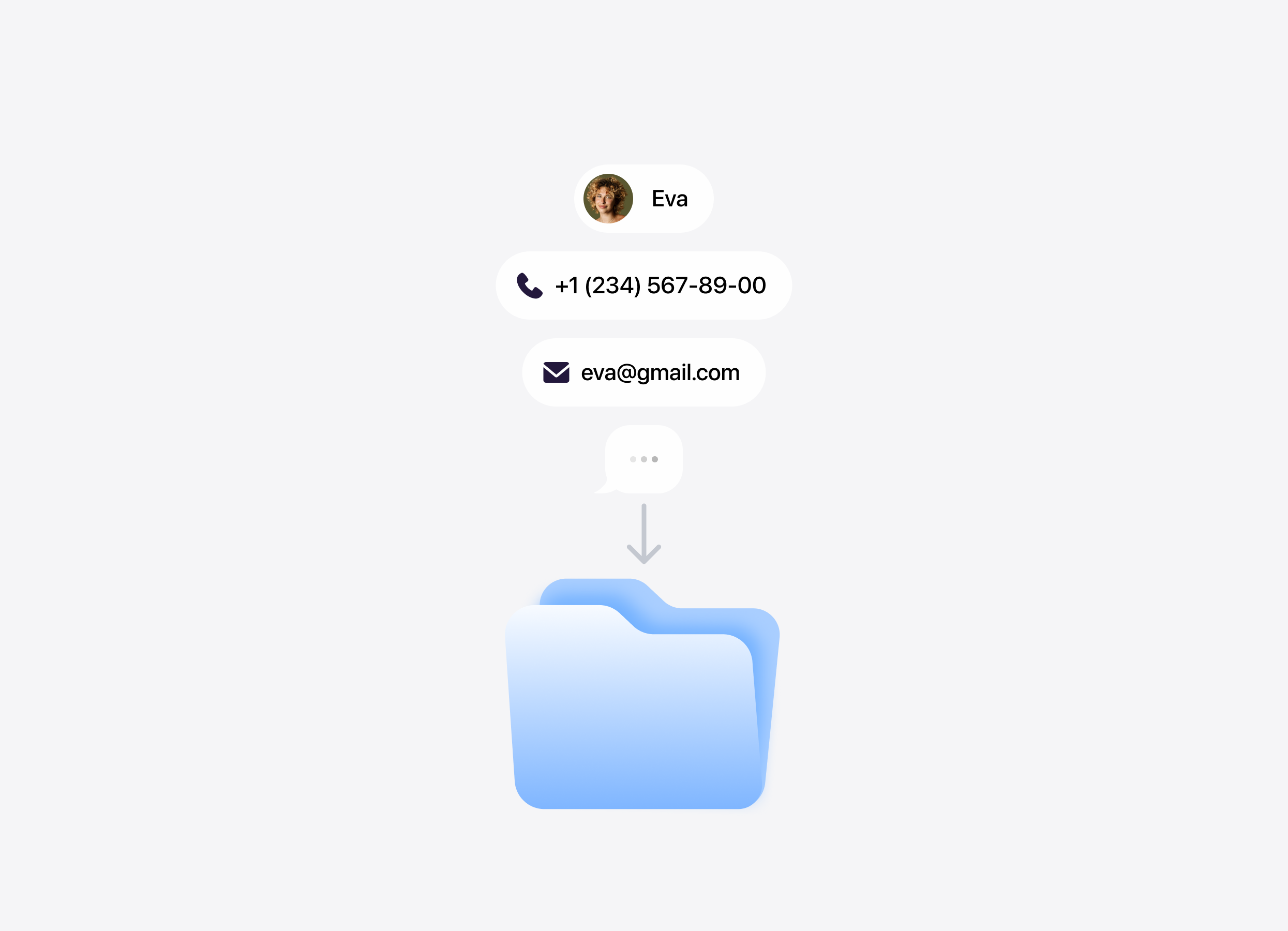
Contacts the agent collected sit in their own table: date, name, email, phone, and a one-line summary of what that person was asking about.
That last column is the one that matters. You are not calling back a name and an email address — you are calling back somebody you already know was asking about weekend availability.
Search across it, copy a row in one click.
Nothing happens in the dark
Leaving a chatbot to answer for you only works if you can check what it said.
Everything it has ever told a customer is here, in full, with a summary so you do not have to read all of it. Paired with the gaps list in Knowledge — where it tells you what it could not answer — you have both halves: what it said, and what it could not.
Get it out of here
You can copy a lead row, search the history, and send transcripts out rather than keeping them only in the dashboard.
Email notifications can go to whoever should see a conversation when it ends, and integrations push contacts and chats to Sheets, Zapier or a webhook if the work happens in another tool.